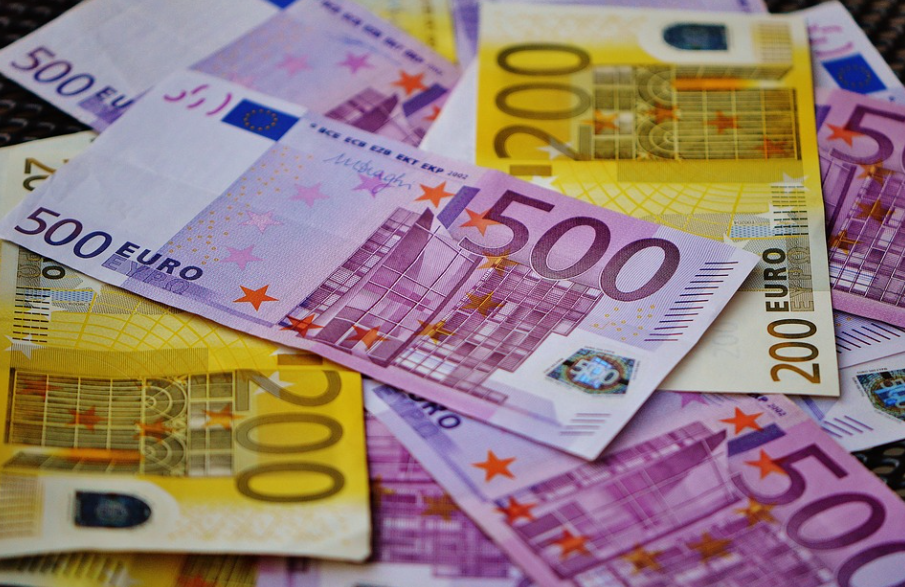
Counterfeit German Banknotes: Understanding the Threat and Prevention Measures
In the ever-evolving world of currency, counterfeit banknotes have emerged as a considerable issue for federal governments, organizations, and consumers alike. This is especially pertinent for Germany, a country understood for its strong economy and the euro, which is among the most commonly used currencies internationally. Despite sophisticated security functions created to prevent counterfeiting, counterfeit German banknotes continue to circulate, triggering financial losses and weakening public trust. This article checks out the nature of counterfeit German banknotes, examines security procedures in location, outlines the repercussions of counterfeiting, and offers useful pointers for detection and avoidance.
The Nature of Counterfeiting
Counterfeiting describes the prohibited reproduction of currency, with the intent to use it as if it were real. The practice is rooted in the history of money and economics, and it has actually developed with developments in technology. Counterfeiters frequently take advantage of high-quality printing techniques and sophisticated devices to produce fake banknotes that can trick even alert consumers.
In Germany, while the euro is the currency most frequently counterfeited, the country has had its share of counterfeit Deutschmarks prior to the euro's intro. here are the findings (ECB) routinely issues reports on the state of counterfeiting within the eurozone, supplying insights into patterns and strategies employed by counterfeiters.
Common Counterfeit Techniques
Counterfeiters use various strategies to create fake banknotes. The most prevalent techniques include:
Printing Techniques:
- Offset printing: Traditional approach utilized to develop high-quality banknotes.
- Digital printing: Modern counterfeiters use digital printers to produce convincing reproductions.
Product Mimicking:
- Paper and ink: Counterfeiters strive to replicate the unique texture and feel of authentic banknotes.
- Security features: Sophisticated reproductions might include functions like watermarks and color-shifting inks.
Risky Innovations:
- Using mobile apps and digital technology to control pictures of banknotes for online deals.
Security Features of Genuine German Banknotes
To fight counterfeiting, real German banknotes are equipped with a number of security functions. A few of these functions consist of:
- Watermarks: Depictions of popular figures and concepts that are noticeable when held up to the light.
- Color-shifting ink: Certain locations change color when viewed from different angles.
- Holograms and security threads: Embedded within the note, these functions develop visual results and expose secret patterns.
- Microprinting: Tiny text that is tough to duplicate but can be seen under magnification.
- Ultraviolet features: Elements that are only noticeable under ultraviolet light.
Consequences of Counterfeiting
The ramifications of counterfeit banknotes extend beyond financial loss. A few of the vital consequences include:
- Economic Damage: Counterfeiting undermines the stability of a nation's currency, leading to inflation and financial instability.
- Loss of Consumer Trust: When counterfeit notes circulate extensively, consumer confidence in the currency diminishes, impacting costs and economic activity.
- Legal Repercussions: Counterfeiting is a severe crime that can result in heavy fines and imprisonment for those captured producing or dispersing fake currency.
Detection Techniques for Consumers
As hazards from counterfeit banknotes persist, it is important for people and organizations to equip themselves with the knowledge required to find counterfeit notes. Here are practical steps to identify a counterfeit banknote:
- Feel: Examine the texture. Genuine notes frequently have an unique feel due to their special paper structure.
- Look: Inspect the watermarks and security features. Holding the banknote up to light must reveal a watermark and security thread.
- Tilt: Use the color-shifting ink to your benefit. Tilt the note to observe any modifications in color.
- Examine with UV Light: If possible, utilize a UV light to expose features not visible to the naked eye.
- Acquaint: Get to understand the appearance of real banknotes, including details such as portraits, serial numbers, and security markings.
Prevention Measures for Businesses
For companies, the impact of counterfeit banknotes can be especially damaging and can be mitigated with the following practices:
- Staff Training: Regularly train employees on how to determine counterfeit notes and the associated dangers.
- Use of Technology: Invest in note-checking gadgets that can effectively spot counterfeit currency.
- Deposit Practices: Encourage personnel to evaluate and verify notes before transferring them, guaranteeing early detection.
- Consumer Awareness: Educate clients on the features of authentic banknotes, producing a more informed consumer base.
- Report Counterfeits: Inform law enforcement if counterfeit notes are identified, assisting in the fight against more counterfeiting.
Frequently asked questions
Q: What is the penalty for being caught with counterfeit banknotes in Germany?A: The ownership, recreation, or distribution of counterfeit banknotes is a severe offense in Germany and can cause substantial fines and imprisonment.
Q: How can I report counterfeit notes?A: Individuals can
report suspected counterfeit notes to local authorities or banks. In-depth reports can help in examinations. Q: Are there particular denominations of
German banknotes more frequently counterfeited?A: While counterfeiters might target any denomination, EUR50 and EUR20 notes have traditionally been among those frequently recreated. Q: What function does innovation play in counterfeiting?A: Technology has improved the capability of counterfeiters to producehigher-quality fakes, making it significantly essential for consumers and companies to stay watchful. Counterfeit German banknotes position a consistent challenge that requires awareness and proactive procedures from both individuals and organizations.
By comprehending the nature of counterfeiting, familiarizing oneself with security features, and taking preventive procedures, stakeholders can better secure themselves against the continuous risk. The battle against counterfeiting is a cumulative effort, and notified citizens can play an essential role in protecting the stability of currency and, by extension, the economy itself.